Shopify vs Magento: What is Right for Your Business?

Did You Know? According to an article by BELVG, Shopify has a CMS market share of 5.7% and Magento has only 1.1% of it. Are you willing to build your eCommerce store but got confused between Shopify vs Magento? Don’t worry; we will help you to choose the right one for your business.
Shopify
Shopify lets you set up an online store for a monthly fee. You can start a store for a small business or build a powerful online store for a large company.
Pros
- Numerous beautiful and responsive store themes.
- Hybrid apps for making your online store more functional.
- Great customer support.
- Multiple checkout and payment gateways.
- Easy to use.
- Large community of users.
Cons
- Apps integration with stores is complex.
- You need to pay a fee for each transaction.
- Most themes are paid in the Shopify theme store.
Magento
Magento is an open-source platform same as WordPress. It is free to install. However, you need to pay for web hosting, website security, and other extensions.
Pros
- Flexible platform with numerous customization features.
- A vast range of themes to choose from.
- Excellent customer support via phone.
- It is free and easy to use.
- Great community of professional users.
Cons
- Not easy for beginners.
- It takes much time for the setup.
- You need to have knowledge of coding.
- You have to spend lots of money on setting up your store.
Shopify vs MagentoComparison Checklist
Here comes the best part of this blog. We have done the ultimate comparison of Magento vs Shopify. Take a brief look at this comparison to know which platform is best for your online business.
- Ease of Use
- Themes
- Apps and Add-Ons
- Payment Method and Transaction Charges
- Pricing
- Sales Tools
- Domain Name and Hosting
- Security
- SEO Friendliness
- Support and Guidance
1. Ease of Use
Shopify is built for everyone, for a beginner and tech-savvy. It is well known for user-friendly approach with drag-and-drop solutions. You don’t need to be a skilled developer for building a small store. Customers enjoy a seamless user experience on Shopify, allowing merchants to provide an excellent shopping experience for their customers.
Magento is not very user-friendly compared to Shopify. Although it is fully customizable, you need to know coding. You need to have comprehensive knowledge of technology to install and setup an online store in Magento. For building a store in Magento, you need to hire an expert.
Who Wins?
Shopify is the clear winner because of its ease in usability.
2. Themes
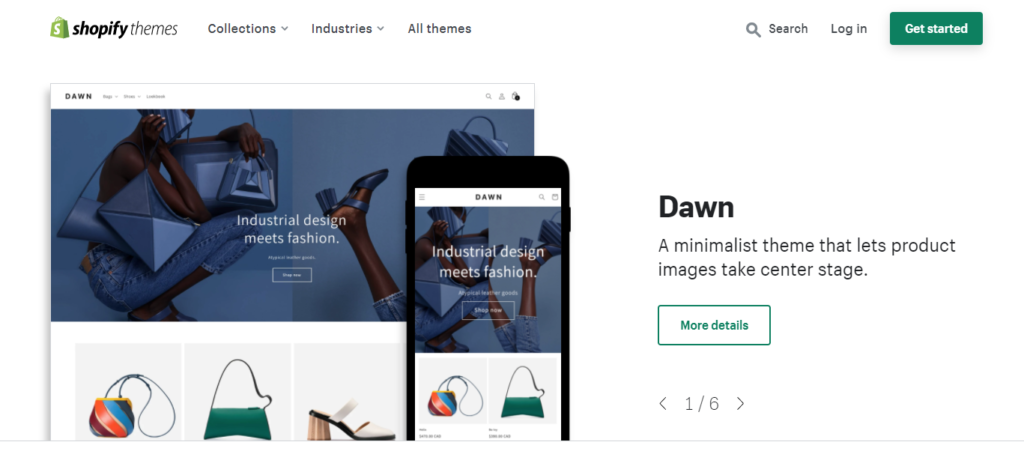
All Shopify themes come with a mobile-friendliness feature. A wide range of Shopify themes is available, including 13 free and 73 paid. Paid themes cost around $150 to $350. In themes, you can change the color palette and images according to your business.
Magento also offers various types of themes. In Magento, you can create your own theme but it requires heavy knowledge of coding. Magento themes are also flexible. The average pricing of Magento themes is between $30 to $499. In Magento 2, the company introduced a drag-and-drop visual editor.
Who Wins?
In Shopify vs Magento theme comparison, Shopify wins here because it offers a vast range of themes.
3. Apps and Add-Ons
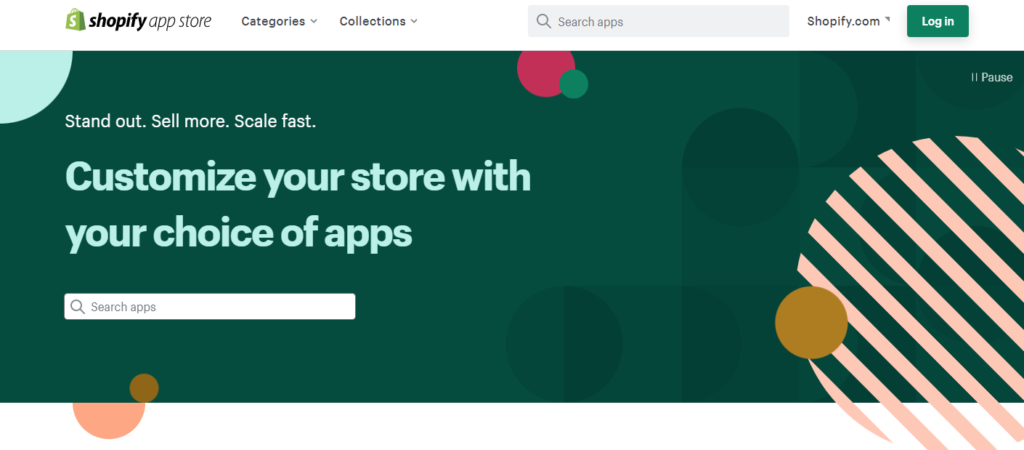
Shopify App Store contains more than 3200 apps. Some popular names are Trust Hero, Trackr, Analytics Buddy, and MailChimp. The average cost of paid apps is between $20 to $50. It also offers free apps for small businesses.
Magento Marketplace has more than 5000 apps to choose from and 1950+ are apps free to use. The average cost of paid apps is between $30 to $2000. Magento will cost you $199 for integrating your store with Facebook. Some famous apps are Banner Slider, Remarkety, and Product Pre-Order.
Who Wins?
Shopify wins because its apps are easy to use and customize.
4. Payment Method and Transaction Charges
If you use Shopify Payments for accepting payments, there will be no transaction fees apart from credit card processing fees. If you don’t use Shopify Payments, then transaction fees vary according to your Shopify pricing plans. It supports more than 100 different payment gateways.
Magento doesn’t have its own payment processor. That means you need to accept payments through a third party. Magento supports more than 150 payment gateways but a majority of them are targeted for large businesses like WorldPay. Magento allows you to sell directly on Amazon using Magento-based inventory.
Who Wins?
In Shopify vs. Magento payment options comparison, Magento wins because it provides better payments options with fewer transaction fees.
5. Pricing
Shopify is a hosted platform which means it will take care of all your store hosting concerns. Your hosting costs are included in the Shopify pricing plan you select. It offers 5 different types of plans for your online store.

Magento is free to download, install, and setup. But you need to pay for the hosting services. The pricing of Magento is flexible depending on your store requirement. If you want to make the store more functional you can opt for Magento apps. Magento uses PHP language.
Who Wins?
It’s a Tie here because both provide best functionalities in their terms when it comes to shopify vs. magento pricing comparison.
6. Sales Tools
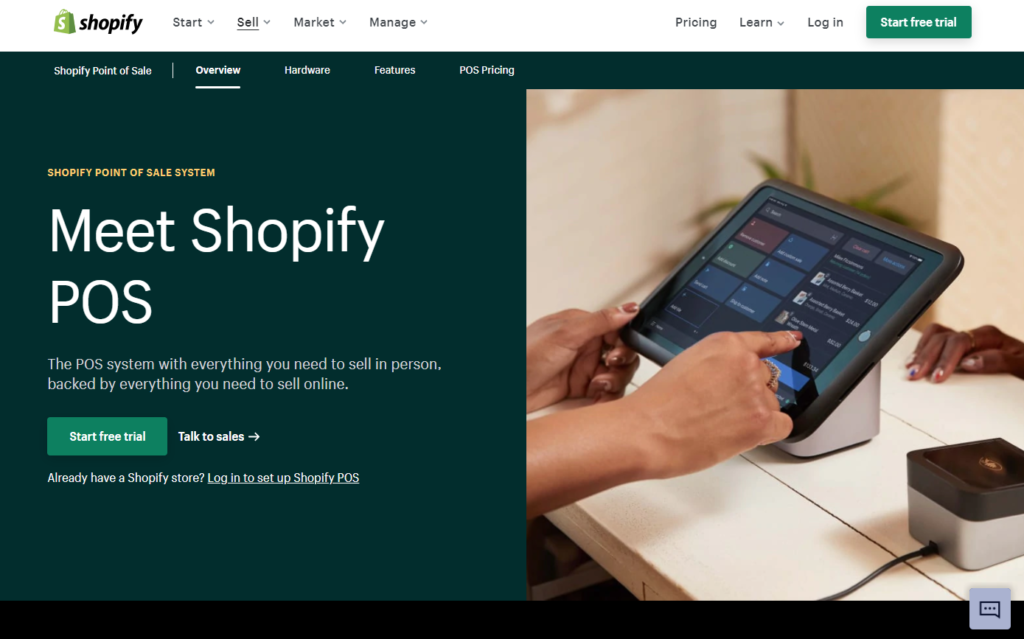
Shopify has impressive sales features. It provides various sales tools like abandoned cart recovery, digital products sale, multichannel selling, chatbot apps, checkout customization, price discounts, and partnership with USPS/UPS.
Magento has a great inventory system with an excellent bulk product import feature. Magento also provides sales tools like checkout customization, multichannel selling, fixed and discounted prices, cart recovery, and much more.
Who Wins?
Shopify wins here because it provides built-in sales tools.
7. Domain Name and Hosting
As we already discussed, Shopify is a hosted platform. All Shopify plans include a “myshopify.com” subdomain. You can also connect your custom domain name. All your online store hosting costs are included in the this plan you select.
Magento is open-source, but you need a hosting provider to host your website. You can select the domain name of your choice according to your business. Setting up an online store on Magento isn’t that easy. You need to have some technical knowledge.
Who Wins?
Shopify is the clear winner here because it takes all your hosting worries.
8. Security
Shopify is one of the most secure eCommerce platforms. It is regarded as the most reliable platform by a majority of merchants.
Magento was the first open-source eCommerce platform that prioritizes data security. They provide remarkably website security for their users.
Who Wins?
It’s a Tie here because both provide good security to your online store.
9. SEO Friendliness
Shopify and Magento both have similar features of SEO. You can easily optimize the page title and description to define how your store displays in the SERPs, as well as the ALT text to help search engines understand your images. Shopify SEO apps are available in its app store and for Magento, it’s in Magento Marketplace.
Who Wins?
It’s a Tie here because both give efficient SEO features.
10. Support and Guidance
Shopify offers dedicated help and support. Their professional team is available 24/7 via chat, phone, mail. Users can get help through community forums, API documentation, help centers, and video tutorials. You can also hire Shopify developer to resolve your complex issues.
Magento doesn’t offer live chat, phone, email support. For solving queries, you need to purchase a service of Magento Technical Support. Magento is a user-based community platform. You can read their guides for the online store building process.
Who Wins?
Shopify wins because of its dedicated customer support.
FAQs About Magento vs Shopify
Can I use Shopify and Magento together?
No, Shopify and Magento are two different platforms for building an online store. It doesn’t make sense to use them together. You can opt for anyone to build your eCommerce store.
Is Magento good for eCommerce?
Yes, Magento is a good platform to build an online store. It is packed with powerful eCommerce features to build your dream web store.
Is Magento better than Shopify?
It’s a neck-to-neck battle and hard to choose the perfect one. If you want a complete website solution in one place, Shopify is best. You can go with Magento for the complete customization of a website.
Is Magento the same as Shopify?
No, the main difference is Shopify is a hosted platform while Magento is a self-hosted platform. Hosting costs are included in your Shopify plan and for Magento, you need a hosting provider like SiteGround.
Is Magento cheaper than Shopify?
No, Shopify is more cheaper, faster, accessible, safer than Magento. You can go with Shopify for building your eCommerce store at lower rates.
Does Magento charge transaction fees?
No, Magento doesn’t charge any transaction fees. The charges are taken by the payment gateways you use for accepting payments.
Which platform is best for dropshipping?
Shopify is undoubtedly the best platform for dropshipping. Shopify claims of hosting around 500,00 eCommerce stores and dropshipping websites. In 2016, Shopify acquires Oberlo, one of the best plugins that make dropshipping services painless.
Over To You
That’s all about the difference between Shopify and Magento.
A quick summary about Shopify vs Magento comparison –
- Shopify is more user-friendly than Magento. If you need a complete online store solution with supportive team, choose Shopify. It also offers a 14-day free trial.
- Go with Magento if you need a fully functional and customizable website. It is hard for beginners; you need to consult an expert for building an online store.
With over 10 years of experience in Tech industry at Samarpan Infotech with architect system, problem solving and creativity. "Today is the only day. Yesterday is gone".